Crawl Space Vapor Barrier Installation in Sacramento
Bare soil under a house is never completely dry. Even in a Sacramento summer, moisture slowly evaporates out of the ground and into the crawl space air, where it can soak into wood, insulation and ductwork. A vapor barrier for a crawl space is a simple, durable way to slow that down.
We connect Sacramento-area homeowners with licensed, independent contractors who install and replace crawl space vapor barriers. Request a free inspection and we'll match you with a local pro who can tell you what your crawl space needs.
What a crawl space vapor barrier does
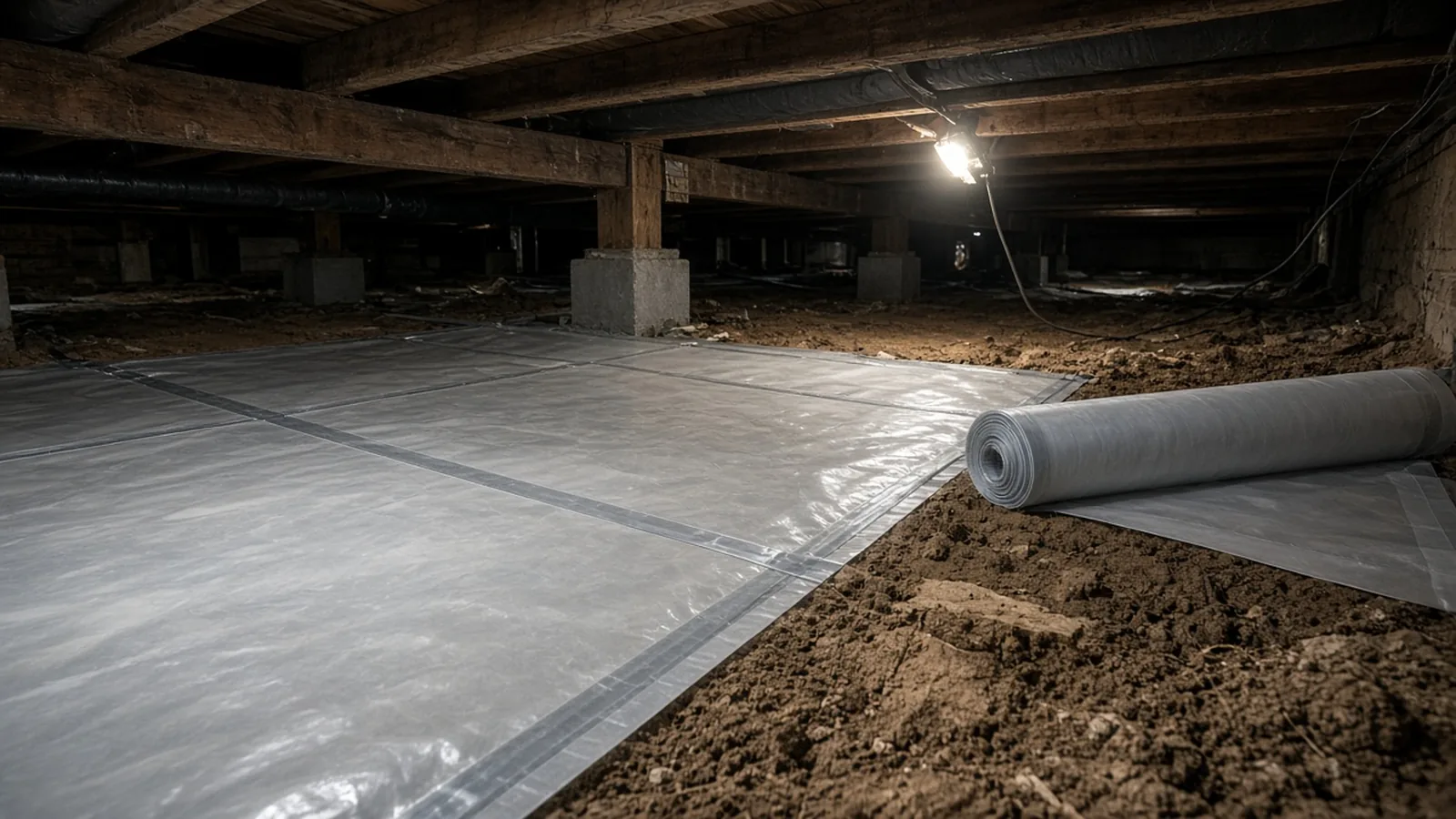
A vapor barrier — sometimes called a ground cover or moisture barrier — is a sheet of polyethylene laid over the soil under a raised house. It blocks most of the water vapor rising from the ground, which helps keep floor framing drier, reduces musty odors, and makes the crawl space less inviting to pests. California building code generally calls for a ground cover in vented crawl spaces, and many older homes either never had one or have one that's long since been shredded.
Vapor barrier thickness explained
Vapor barriers are measured in mils, where one mil is a thousandth of an inch. Thinner sheets (around 6 mil) are the traditional minimum and work as a basic ground cover, but they tear easily when plumbers, cable installers or pest inspectors crawl across them. Thicker, reinforced liners (often 10 to 20 mil) hold up much better to foot traffic and are typical in encapsulation work. Your contractor can explain which thickness fits how often your crawl space gets used.
Ground cover vs. full encapsulation
A ground cover lies over the soil, overlaps at the seams, and is usually held in place with stakes or weights. The crawl space vents stay open. Full crawl space encapsulation adds a heavier liner that runs up the walls, sealed seams, closed vents and often a dehumidifier. In much of the Sacramento area, a well-installed ground cover is a practical, budget-friendly choice. Homes with persistent dampness may benefit from going further.
Signs your vapor barrier is missing or failing
- You can see bare dirt when you open the crawl space hatch
- The plastic is torn, bunched up, or only covers part of the ground
- Water is pooling on top of or underneath the sheet
- Insulation between the floor joists is damp, sagging or has fallen down
- A musty or earthy smell inside the house, especially after rain
How installation usually works
A contractor will typically clear debris and old plastic, address any standing water or drainage issues, then roll out the new barrier so it covers the entire soil surface. Seams are overlapped and often taped, the edges are brought up the foundation wall a few inches, and the sheet is secured around piers and posts. While they're down there, many contractors also note any damaged posts, wet insulation or signs of pests. If they find structural issues, see crawl space repair.
If water is getting into the crawl space, a vapor barrier alone won't solve it. Grading, downspout extensions or a drain may be needed first — read more on foundation waterproofing.
How it works
- 1
Tell us about the problem
Fill out the short form or call or text. It takes about two minutes.
- 2
We match you with a licensed local contractor
We connect you with up to three independent pros who work in your area.
- 3
Get an on-site inspection & estimate, no obligation
The contractor inspects your home and gives you a written estimate. You decide.
How much does crawl space vapor barrier cost?
Costs vary widely by home, soil, access and repair method; only an on-site inspection by a licensed contractor can give a real estimate. As general background only — not a quote and not data from us:
- A basic ground-cover vapor barrier is one of the more affordable crawl space projects, often in the hundreds to low thousands of dollars depending on size and access.
- Thicker, reinforced liners and sealed seams cost more.
- Removing old debris, insulation or addressing drainage adds to the total.
Ask for written estimates that spell out the scope, permits and anything excluded so you can compare apples to apples.
Other services we can match you with
Foundation Repair
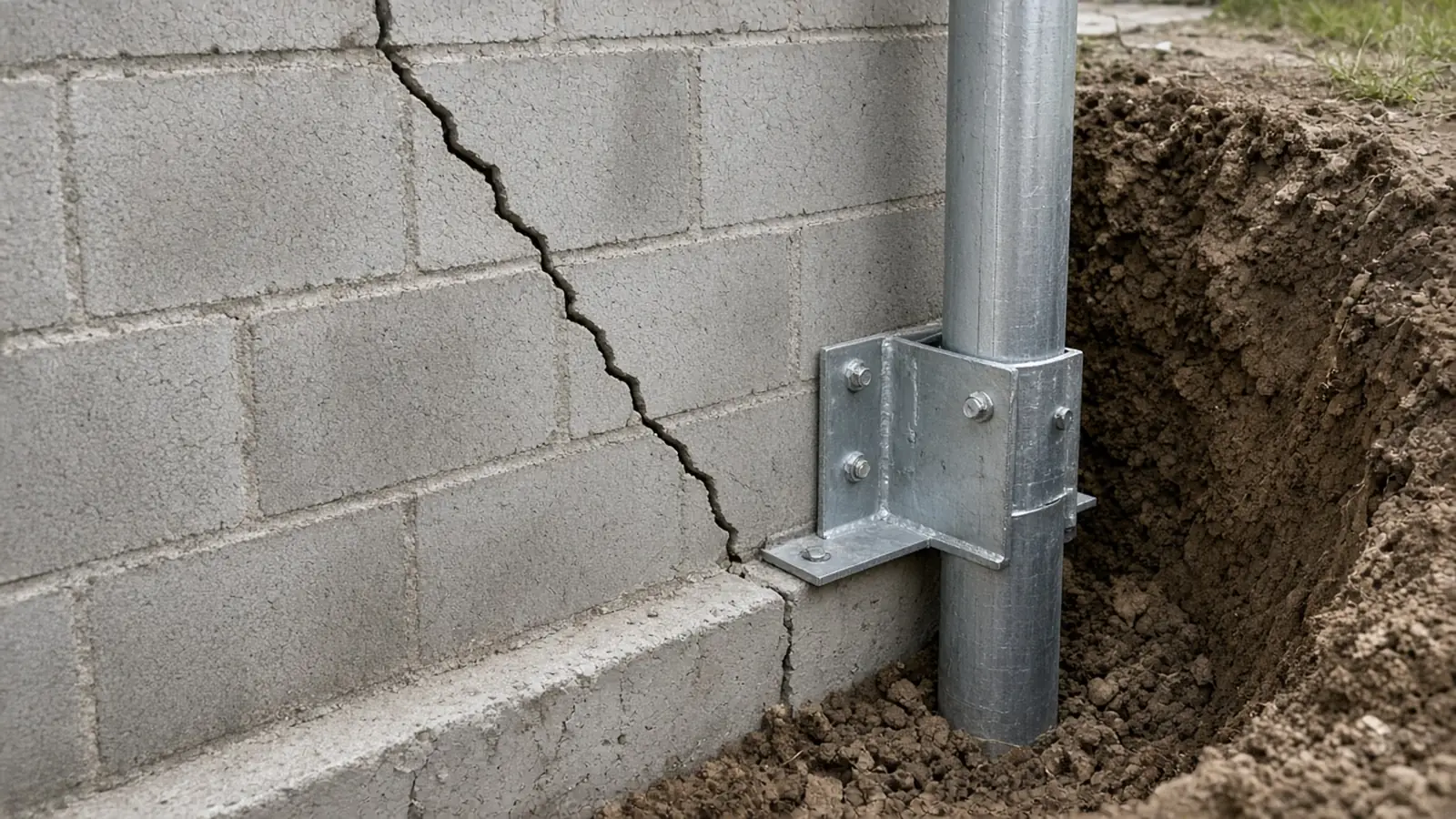
Cracked slabs, settling stem walls and piers — get matched with a licensed foundation contractor.
Crawl Space Repair
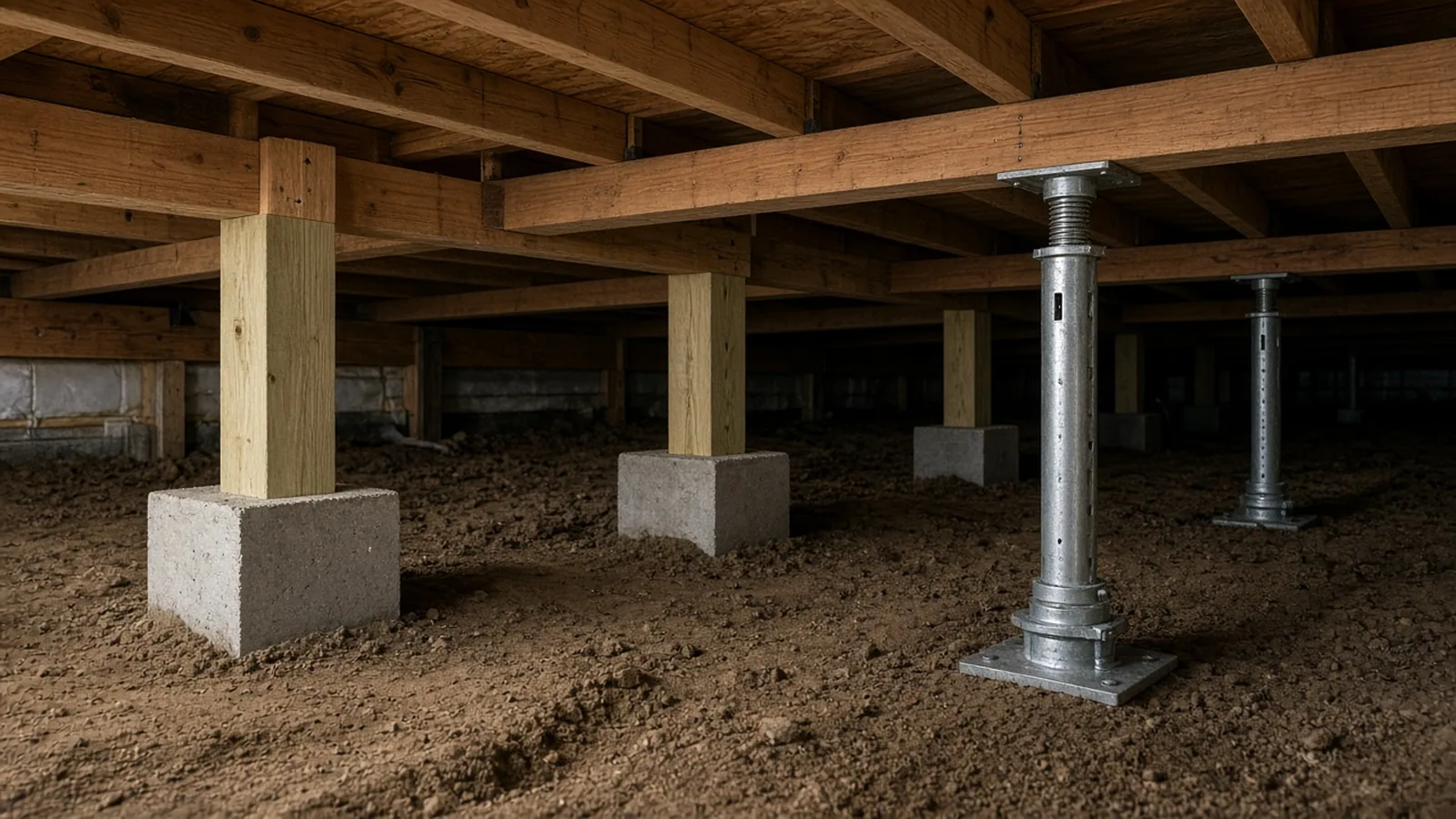
Bouncy floors, rotted posts and sagging joists — get connected with a crawl space repair pro.
Crawl Space Encapsulation
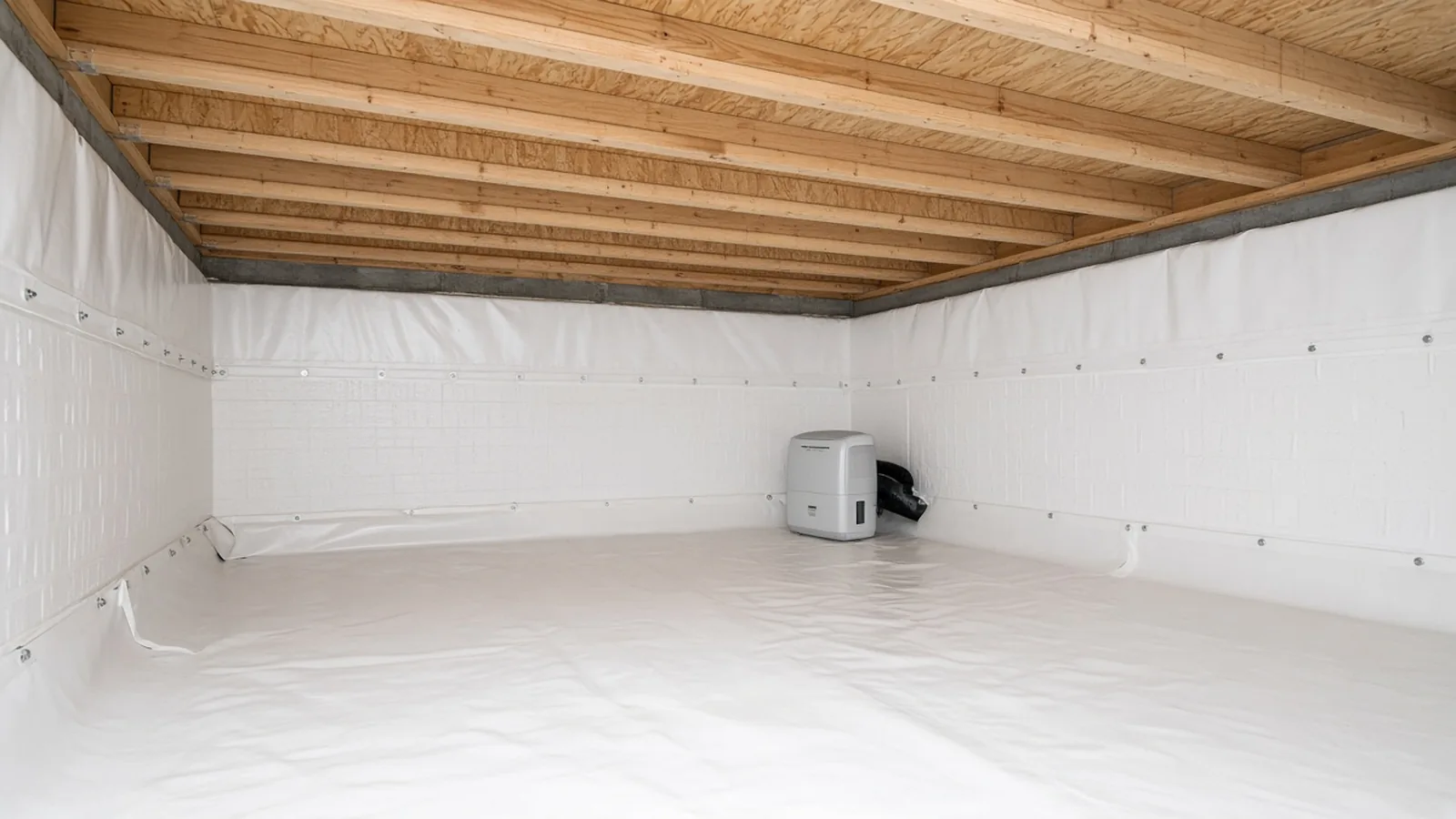
Sealed liners, closed vents and dehumidifiers — find out if encapsulation is right for your home.
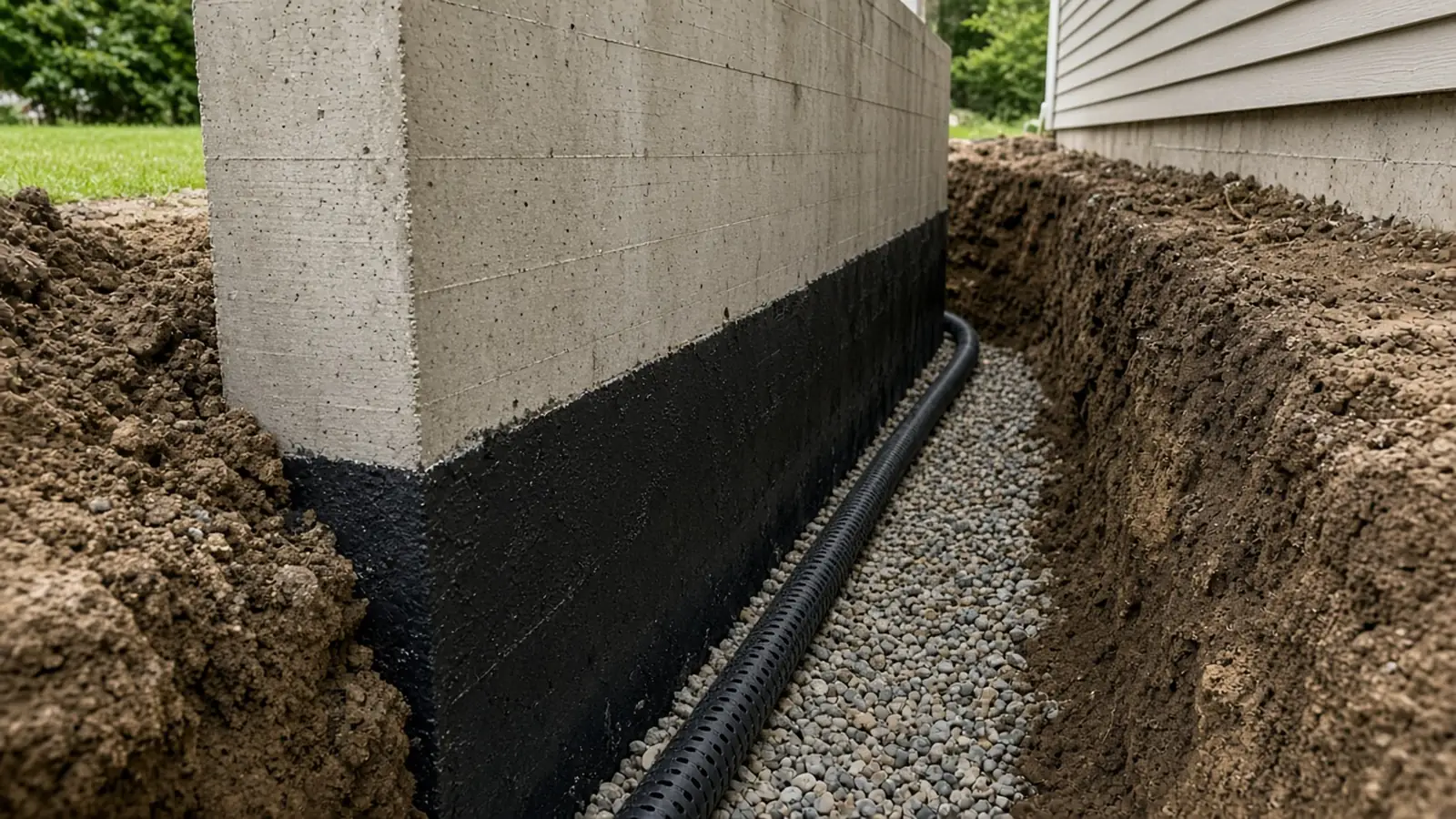
Foundation Waterproofing
Grading, drains, sump pumps and sealing — control the water that moves foundations.
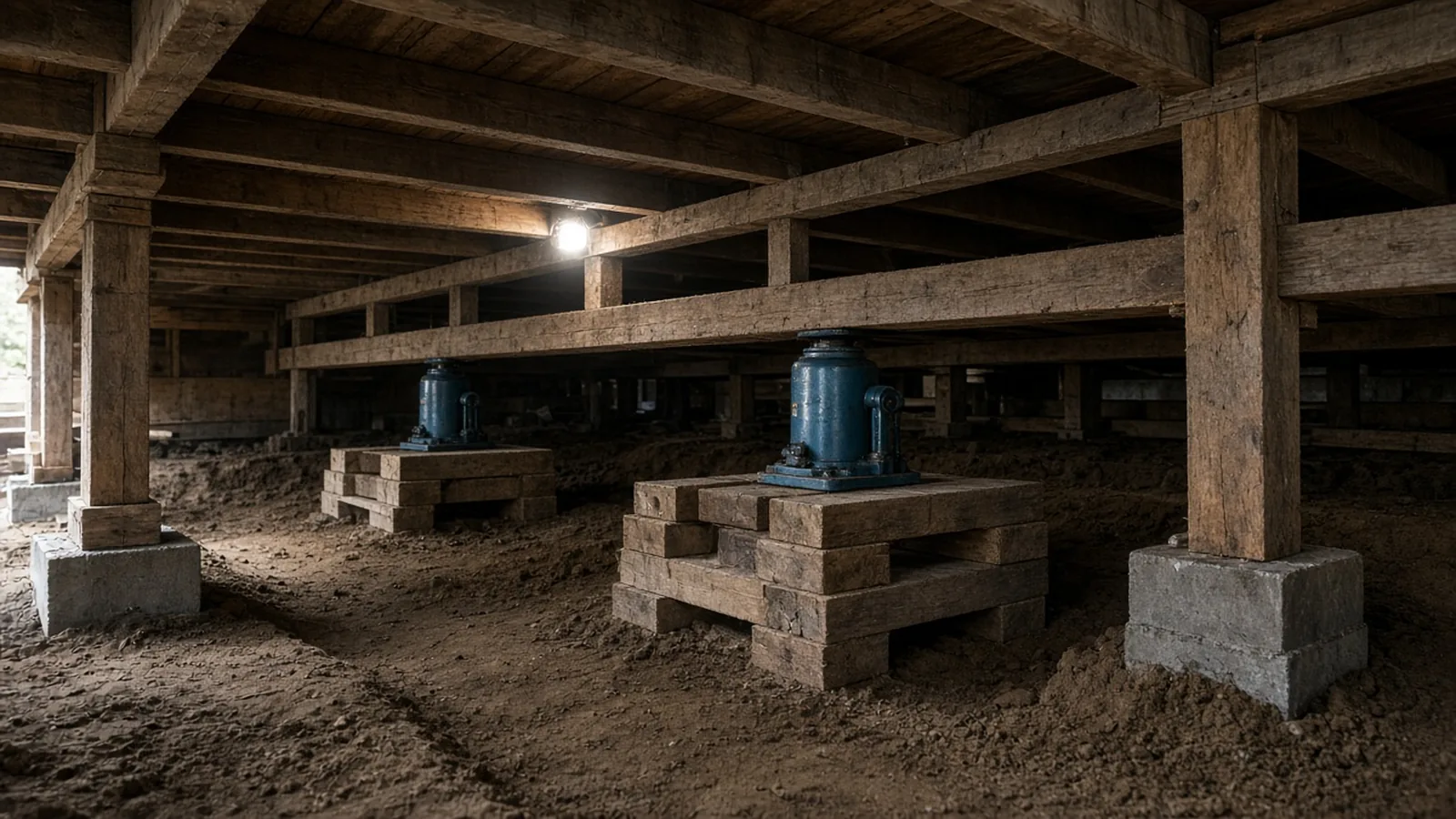
House Leveling
Sloping floors and sticking doors — level raised and slab homes with a licensed pro.
Crawl Space Vapor Barrier across the Sacramento area
Crawl Space Vapor Barrier FAQ
Get matched for crawl space vapor barrier
Tell us what you're seeing and we'll connect you with a licensed, independent local contractor for a free, no-obligation on-site inspection.