Signs You Need Foundation Repair: A Sacramento Homeowner's Checklist
Most foundation problems give early warnings. Here's what to look for, why Sacramento's clay soils cause them, and when it's worth a free inspection.
We are a free matching service, not a contractor. We connect you with an independent licensed local contractor who can inspect your home and explain what the signs may mean.
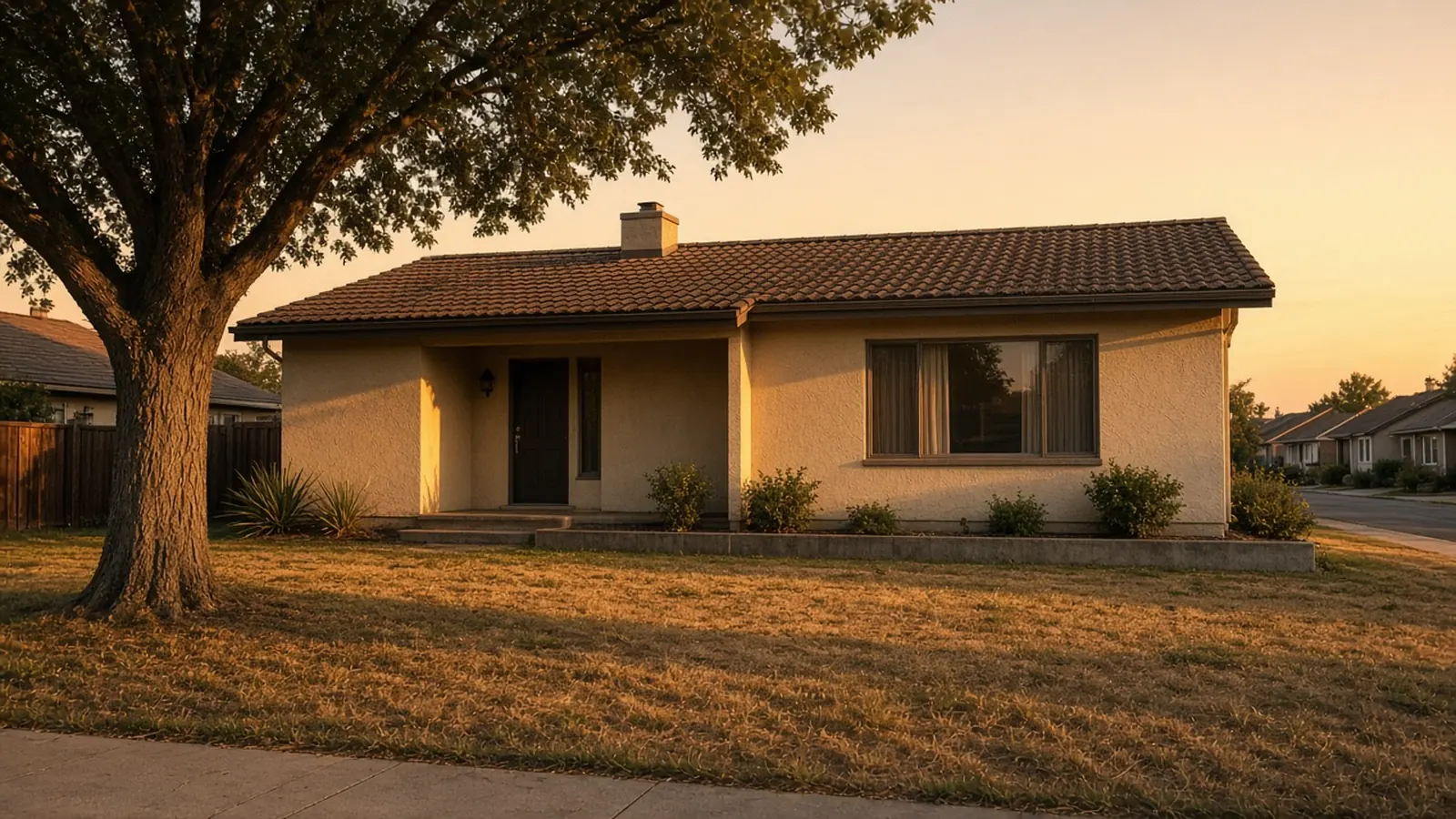
Signs of foundation or crawl space trouble
Diagonal drywall cracks
Running from the corners of doors and windows.
Stair-step cracks
Zig-zagging through brick, block or stucco.
Sticking doors & windows
Rubbing, swinging on their own, or not latching.
Sloping or bouncy floors
Dips, slopes or a springy feel underfoot.
Gaps at walls & trim
Separation between walls, ceilings or baseboards.
Slab or stem wall cracks
Cracks in the concrete you can see outside or in the garage.
Crawl space moisture
Musty smell, standing water or damp insulation.
Sagging floor joists
Framing under the house that has bowed or dropped.
Foundation warning signs to look for
A single symptom does not diagnose a foundation problem. Look for changes over time and signs that appear together.
Diagonal cracks in walls and drywall
Cracks running diagonally from door or window corners can form when the frame around an opening moves. A small stable crack may be related to finishing or seasonal movement, while a growing crack or several nearby cracks deserve an inspection.
Watch whether the crack reopens after patching and whether the nearby door or window still operates normally. Those details help a contractor distinguish a surface issue from movement below the house.
Doors and windows that stick or won't latch
Humidity, paint buildup and loose hinges can make doors stick. But a door or window that suddenly binds, will not latch or shows a widening gap around its frame may indicate the opening has shifted.
Be more concerned when several openings change at once or sticking appears alongside wall cracks. Do not assume every tight door requires foundation work; have the cause checked first.
Sloping, uneven or bouncy floors
A floor that dips toward one room, feels uneven underfoot or springs when walked on can point to settling supports or weakened framing. In a raised home, moisture damage to posts, beams or joists may be involved.
An inspection for house leveling can determine whether the issue is a local framing repair or broader foundation movement. A floor that has recently become noticeably springy should be checked rather than simply covered with new flooring.
Gaps around trim, baseboards, crown molding or between walls and ceilings
New separation at baseboards, crown molding or the wall-to-ceiling joint can appear when surfaces move apart. Small gaps may reflect normal material expansion, but growing gaps or gaps paired with sloping floors are worth investigating.
Take dated photographs so you can compare the width and location over time. Repeatedly filling a changing gap can hide a useful clue without addressing its cause.
Stair-step cracks in brick, block or stucco
A stair-step crack follows mortar joints in brick or concrete block, or appears as a stepped pattern in a finish. It can indicate differential movement, where one part of the structure shifts more than another.
A narrow stable crack may have a less serious explanation, but widening, displacement or several connected cracks call for a professional evaluation. The visible pattern alone does not tell you which repair method is appropriate.
Crawl space moisture, standing water or a musty smell
Persistent dampness or a musty smell can signal excess moisture under the home. Standing water, damp insulation and deteriorating wood may accompany it; moisture can eventually weaken posts and joists and contribute to sagging floors.
Depending on the source, a contractor may recommend drainage corrections, crawl space repair, a ground vapor barrier or crawl space encapsulation. Not every damp crawl space needs full encapsulation, and a liner is not a substitute for fixing active water entry.
Cracks in the slab, garage floor or stem wall
Hairline shrinkage cracks are common in concrete and often cosmetic. Wide cracks, cracks that keep growing or cracks with one side higher than the other are more concerning, especially when nearby walls or doors also show changes.
A contractor who handles foundation repair can evaluate the pattern and surrounding structure. A garage floor crack does not automatically mean the home's foundation is failing; its cause and whether it is changing matter.
Why Sacramento homes get these problems
Expansive clay soils in parts of the Sacramento Valley swell in wet winters and shrink during long dry summers. That can move the ground under a house seasonally, especially when moisture varies from one side of the foundation to the other.
Poor drainage, downspouts dumping next to the house and uneven yard watering can make movement worse. A foundation waterproofing and drainage evaluation can help identify ways to keep water from concentrating beside or beneath the home.
Many older Sacramento homes sit on raised foundations above crawl spaces. Excess moisture there can rot posts and joists, so a sagging floor may involve damaged wood supports as well as soil settlement.
When to get an inspection
Cracks wider than about 1/4 inch or getting bigger, several signs at once, doors that suddenly stop latching, springy floors, or water and a musty smell under the house are reasons to arrange an inspection. The size of a crack is only one clue; smaller growing or offset cracks can also need attention.
Mark crack ends lightly with a pencil and date them, take photos, and check again in a few weeks. Do not delay an inspection for rapid changes or a floor that feels unsafe just to finish monitoring. Avoid entering a wet or unsafe crawl space yourself.
You can request a free inspection through our matching service and review the foundation repair cost guide for budgeting background. Check contractor licenses at the California CSLB website, and consider an independent structural engineer for major movement.
How it works
- 1
Tell us about the problem
Fill out the short form or call or text. It takes about two minutes.
- 2
We match you with a licensed local contractor
We connect you with up to three independent pros who work in your area.
- 3
Get an on-site inspection & estimate, no obligation
The contractor inspects your home and gives you a written estimate. You decide.
Foundation warning signs FAQ
Seeing these signs? Get a free inspection
Tell us what you're seeing and we'll connect you with a licensed, independent local contractor for a free, no-obligation on-site inspection.